
Understanding Kiln Uniformity and the Orton Three Cone System
Inside ceramic kilns, temperatures are rarely uniform, especially in larger ones. Have you ever wondered why?
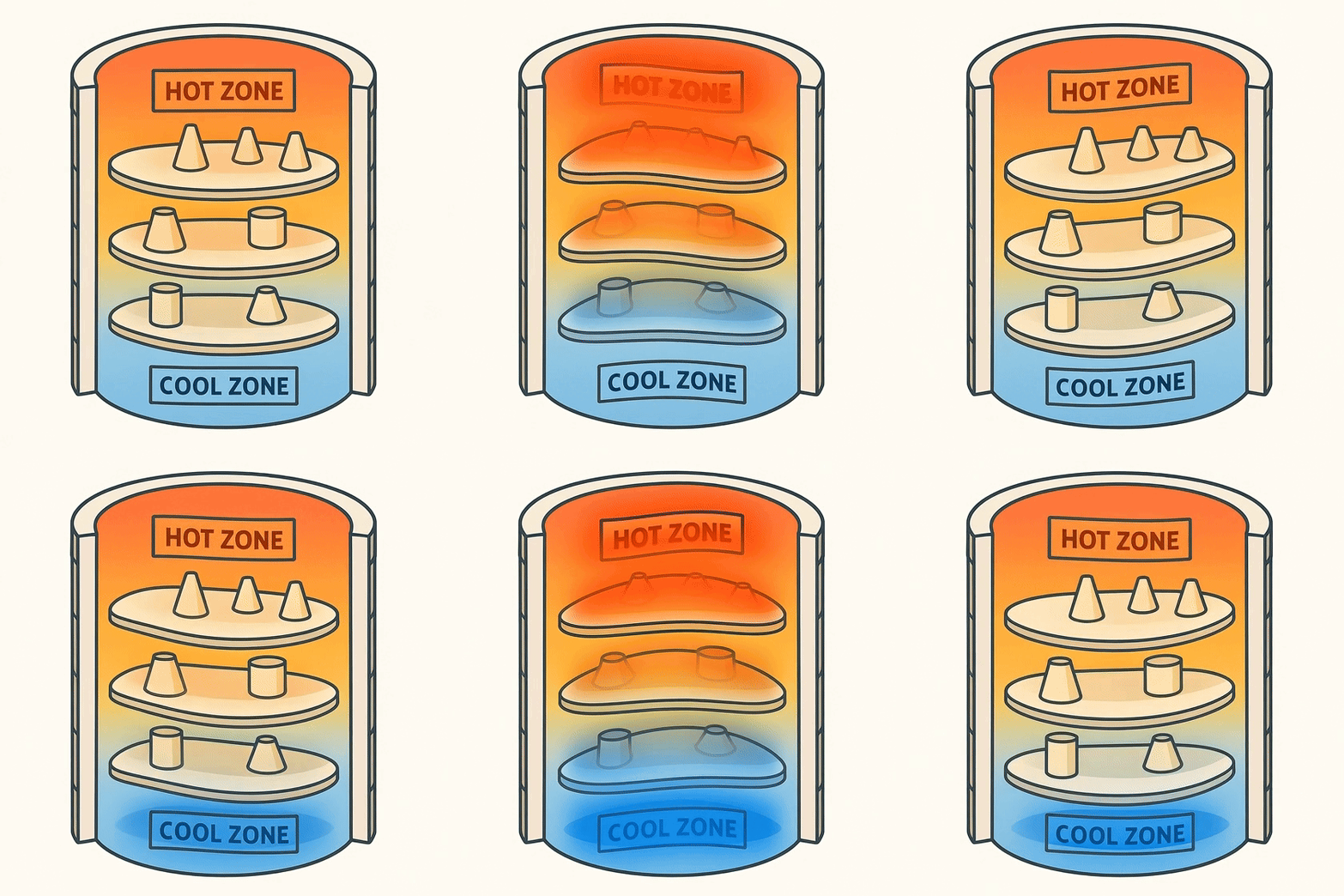
Unless your kiln has a zone control system, you can expect variations between the top, middle, and bottom shelves. That is simply how heat moves, according to the basic laws of thermodynamics. The result is uneven firing that can subtly change glaze results, or even cause overfiring and underfiring in the same load. That is why your pieces might not have come out exactly as you expected. We need to understand what is really happening inside the kiln while it is running.
Why Temperature Uniformity Matters
Every ceramic artist knows that the temperature displayed on your kiln controller is not the whole story. A kiln's actual heatwork, the combination of time and temperature, determines how your clay and glazes mature. That is where witness cones (or shelf cones) come in. They show what really happened inside your kiln during the firing, helping you understand how evenly your kiln heats from top to bottom.
The Orton Three Cone System
While a single cone can be used to witness a firing, most professionals rely on the Orton Three Cone System. Each set includes:
- 1.Guide Cone, one cone number cooler than your target cone
- 2.Firing Cone, your target cone, the temperature you intend to reach
- 3.Guard Cone, one cone number hotter than your target cone
These three cones are placed together on each shelf, ideally on the top, middle, and bottom of the kiln. When the Guide Cone starts to bend, your ware is approaching maturity. The Firing Cone bending signals that the firing has reached the correct point. If the Guard Cone also bends, you have gone beyond the optimal heatwork for your material.
(Tip: If you view cones through the peepholes during firing, always use a welder's glass. Sunglasses are not sufficient protection.)
Modern Zone Control and Why Cones Still Matter
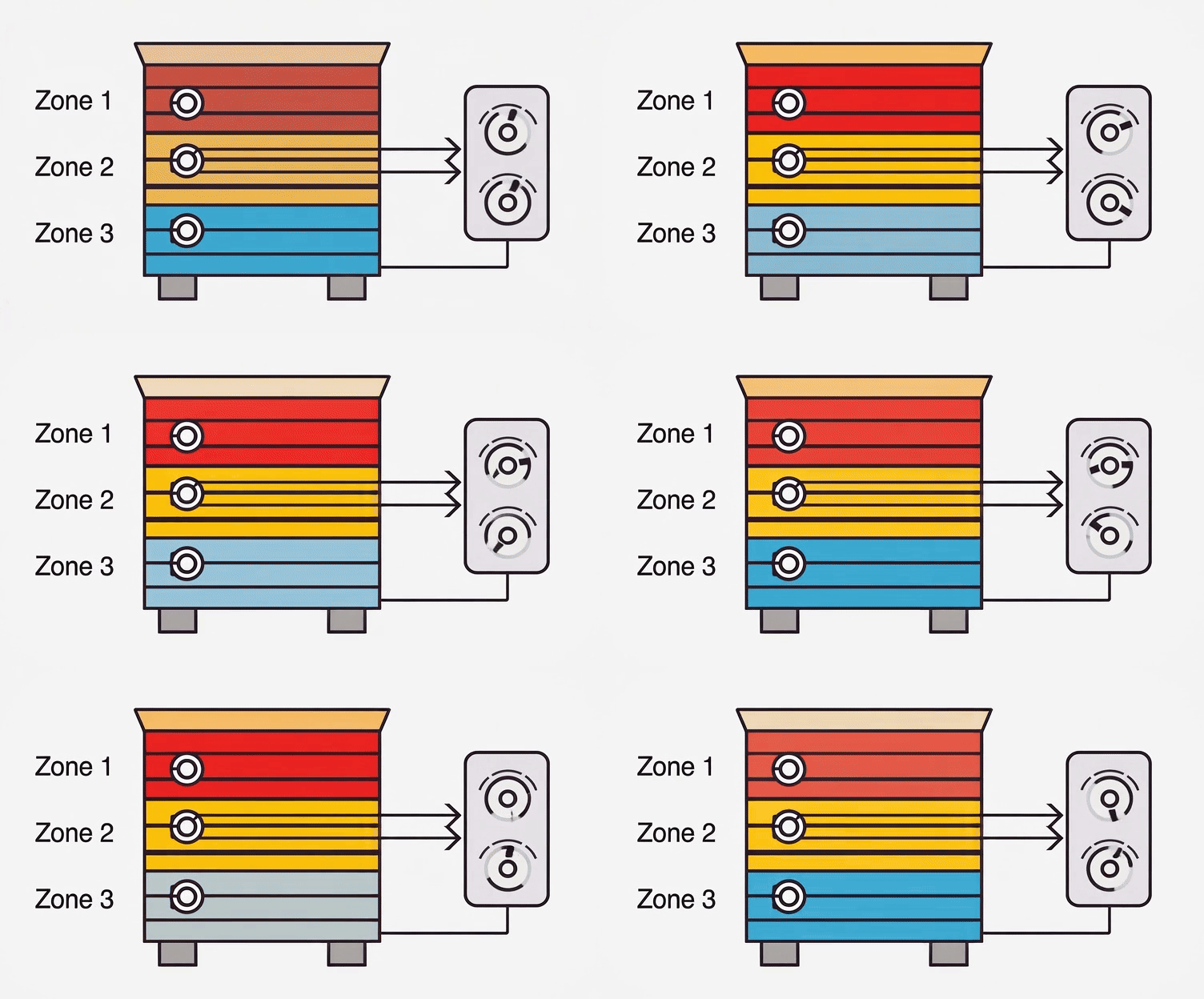
Digital kilns with zone control use multiple thermocouples to automatically balance power between zones. They are excellent at minimizing variation, but still, nothing replaces a visual witness cone. Even the best electronics can drift or misread conditions. A quick glance at your shelf cones gives you the confidence that your controller's numbers reflect reality.
How Cones Actually Work: The Science of Heatwork
Cones do more than measure temperature. They measure heatwork, the cumulative effect of temperature over time. Two firings that both reach 2,000°F may not produce the same results if one took 5 hours and the other took 10. The slower firing delivers more total heatwork, softening the cone earlier. That is why cones are often more trustworthy than digital readouts: they show what your clay and glaze actually experienced, not just what the thermocouple sensed.
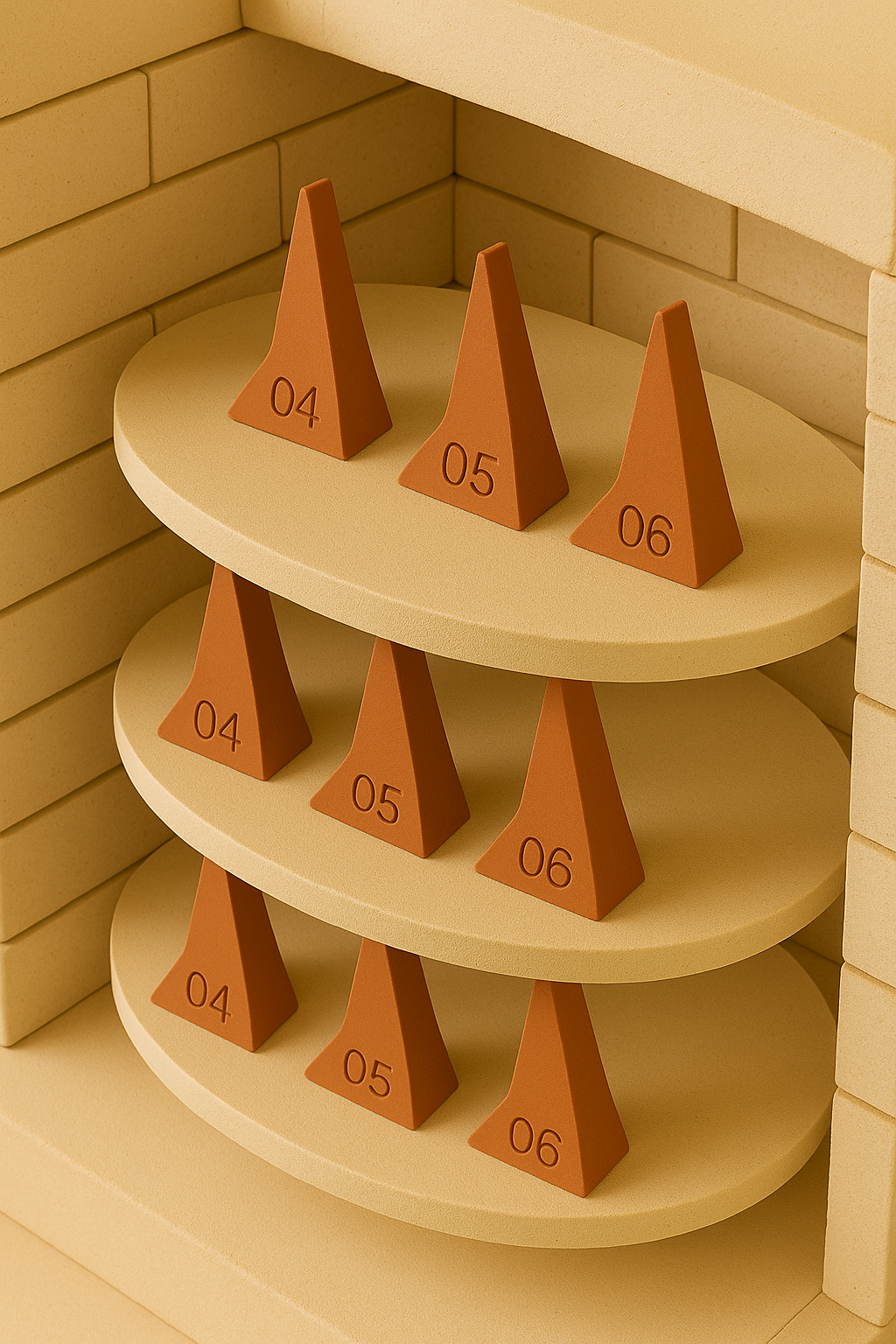
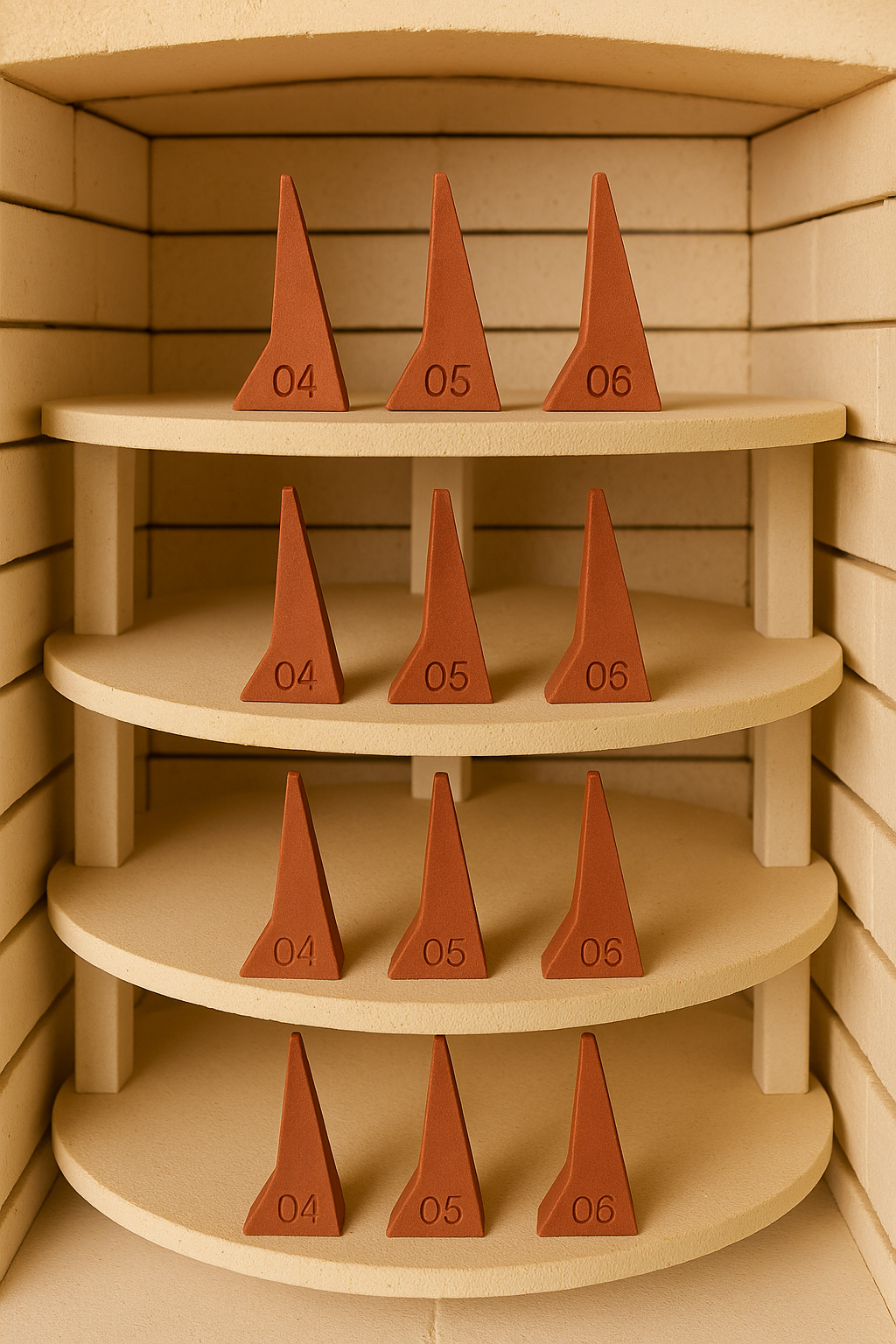
The image above is an example of a Kiln Inspection Kit with a temperature range of cone 04 to 06. This kit helps you understand how your kiln deals with the heatwork on each shelf.
Proper Cone Placement Tips
Placement can dramatically affect readings. Follow these guidelines for accurate results:
- Keep cones about 2 inches away from kiln walls or heating elements
- Maintain a consistent 8 degree angle when mounting them, using a cone holder or small clay pad
- Avoid placing cones directly under peepholes, thermocouples, or vents, which can distort heat exposure
- Label and document their exact position in the kiln for comparison between firings
Recording and Evaluating Your Results
After firing, record how much each cone bent at every shelf level. Over time, this data builds a thermal profile of your kiln, a powerful diagnostic tool for consistency. If you notice increasing differences between top and bottom cones, it may signal aging or uneven elements, faulty thermocouples, blocked ventilation, or overloaded shelves. This method turns each firing into a learning opportunity for improving results.
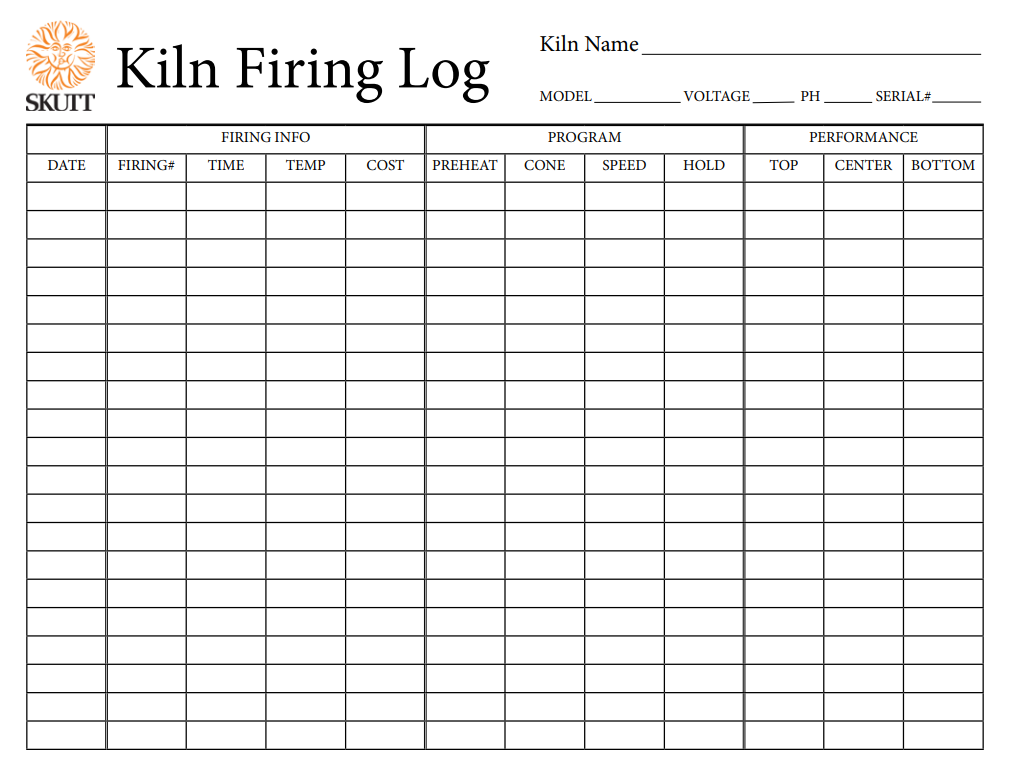
For a deeper firing record, Skutt publishes a Kiln Firing Log that many studios use to track every load. Pairing a written log with witness cones is the most reliable way to catch a kiln that is starting to drift before it ruins a load of work.
In Summary
The Orton Three Cone System is more than tradition. It is a scientific safeguard. By combining simple physical evidence, the bending cones, with data from your digital controller, you can diagnose kiln uniformity, improve glaze consistency, extend equipment life, and achieve professional ceramic results every time.
Cones tell the truth your kiln cannot always say. Make them your first line of defense in understanding, and mastering, your firings. If your cones are telling you something is wrong and you cannot pin down why, that is exactly the kind of diagnosis our kiln service handles. Bring us your thermal profile and we will help you read it.